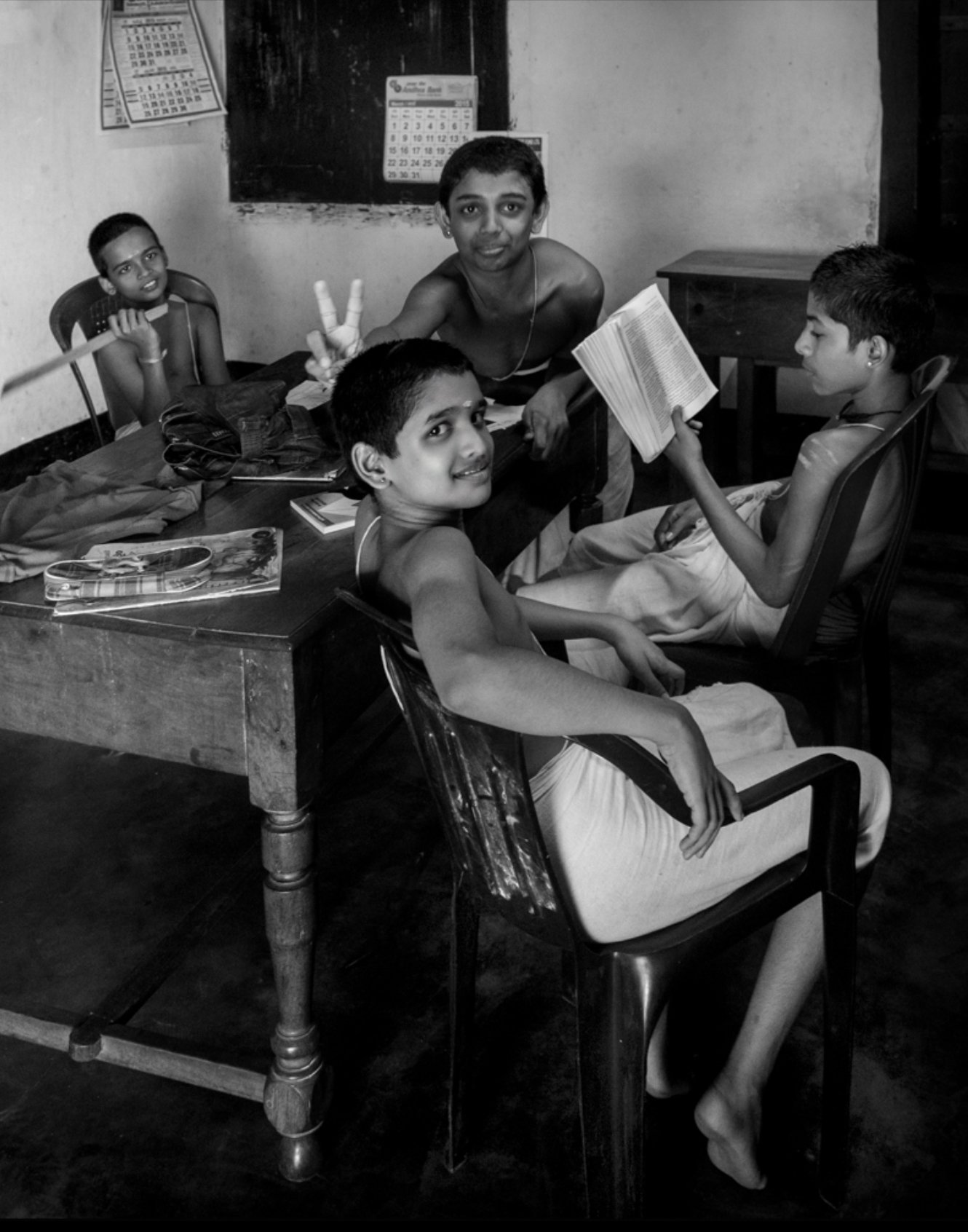
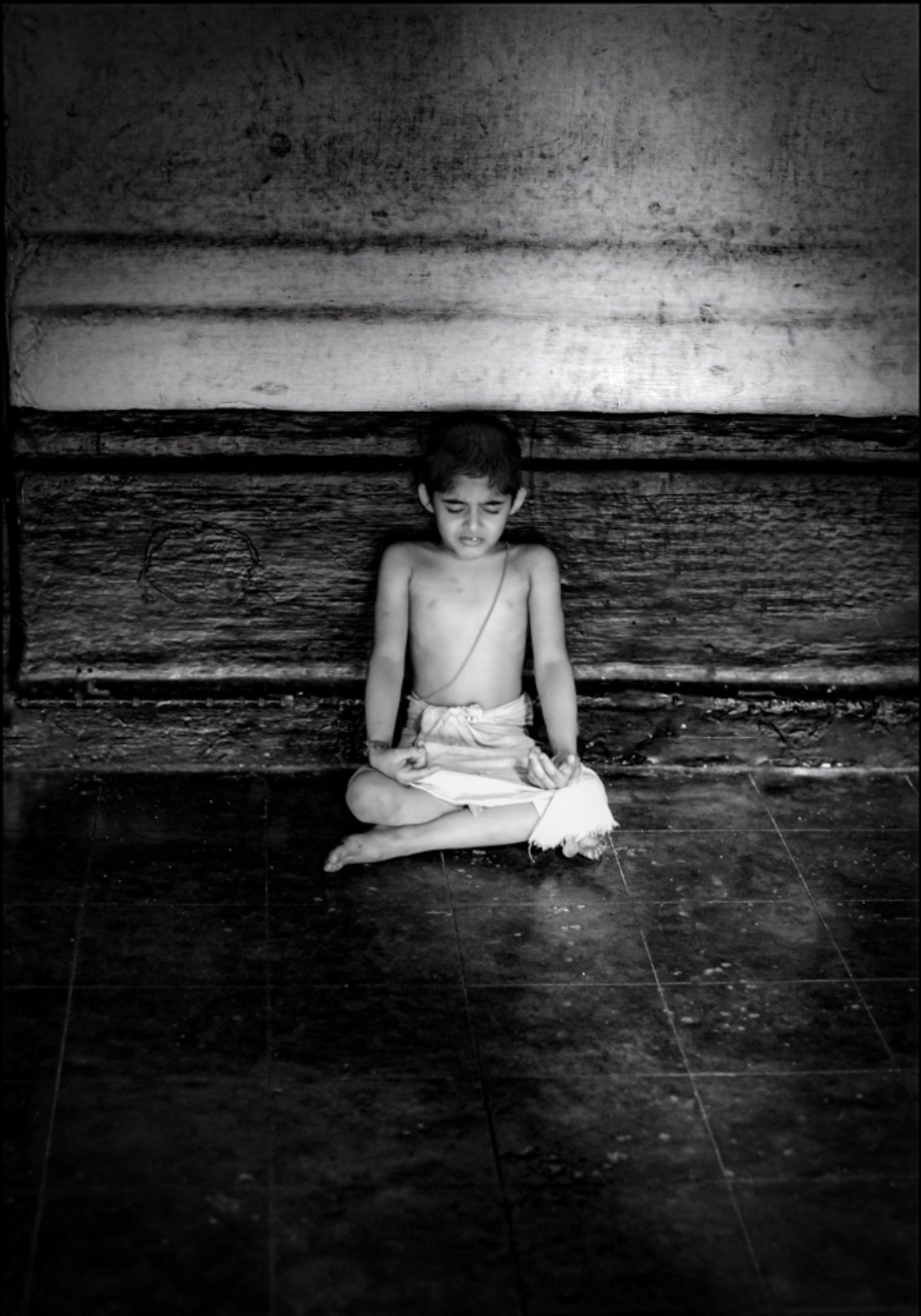
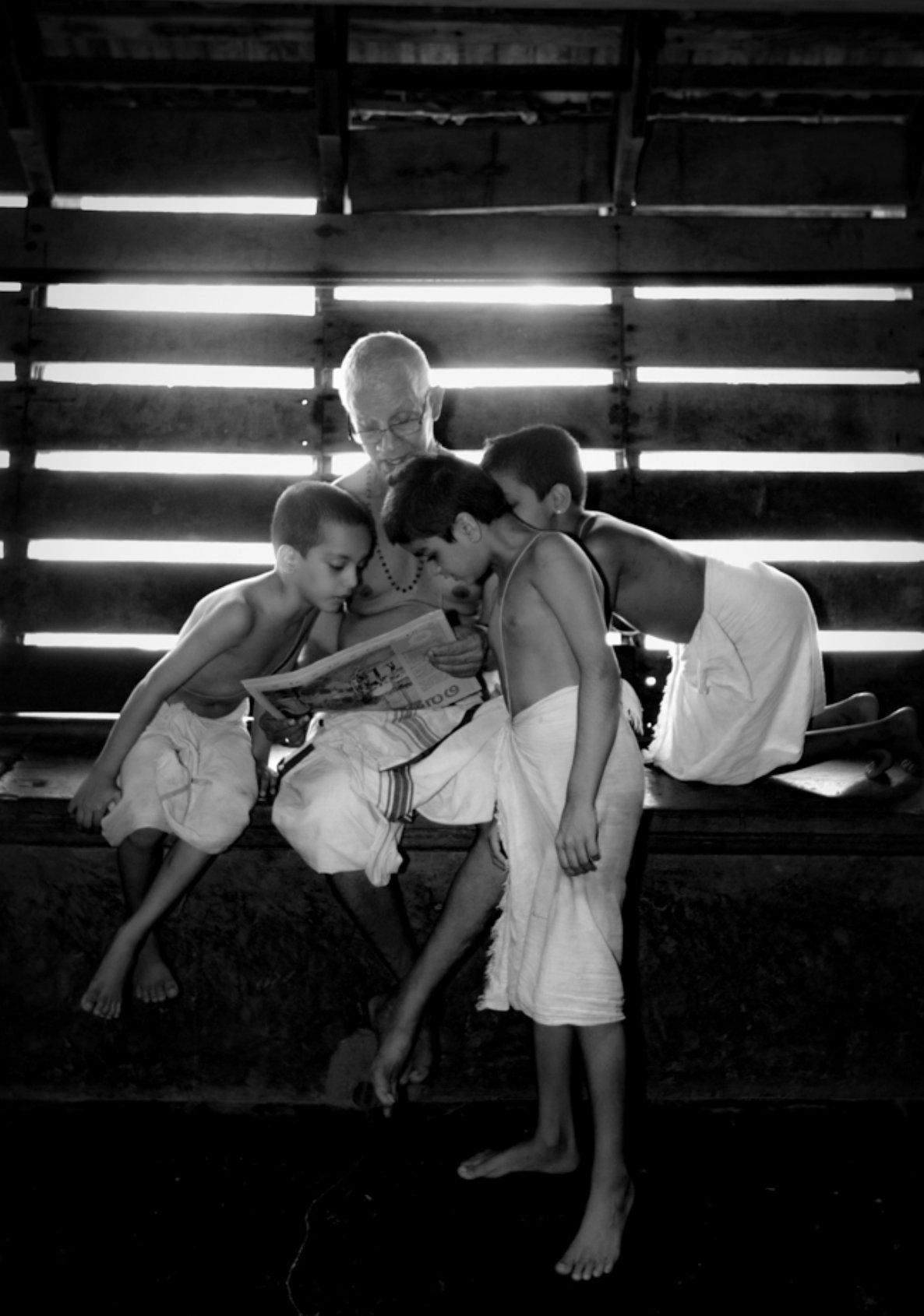
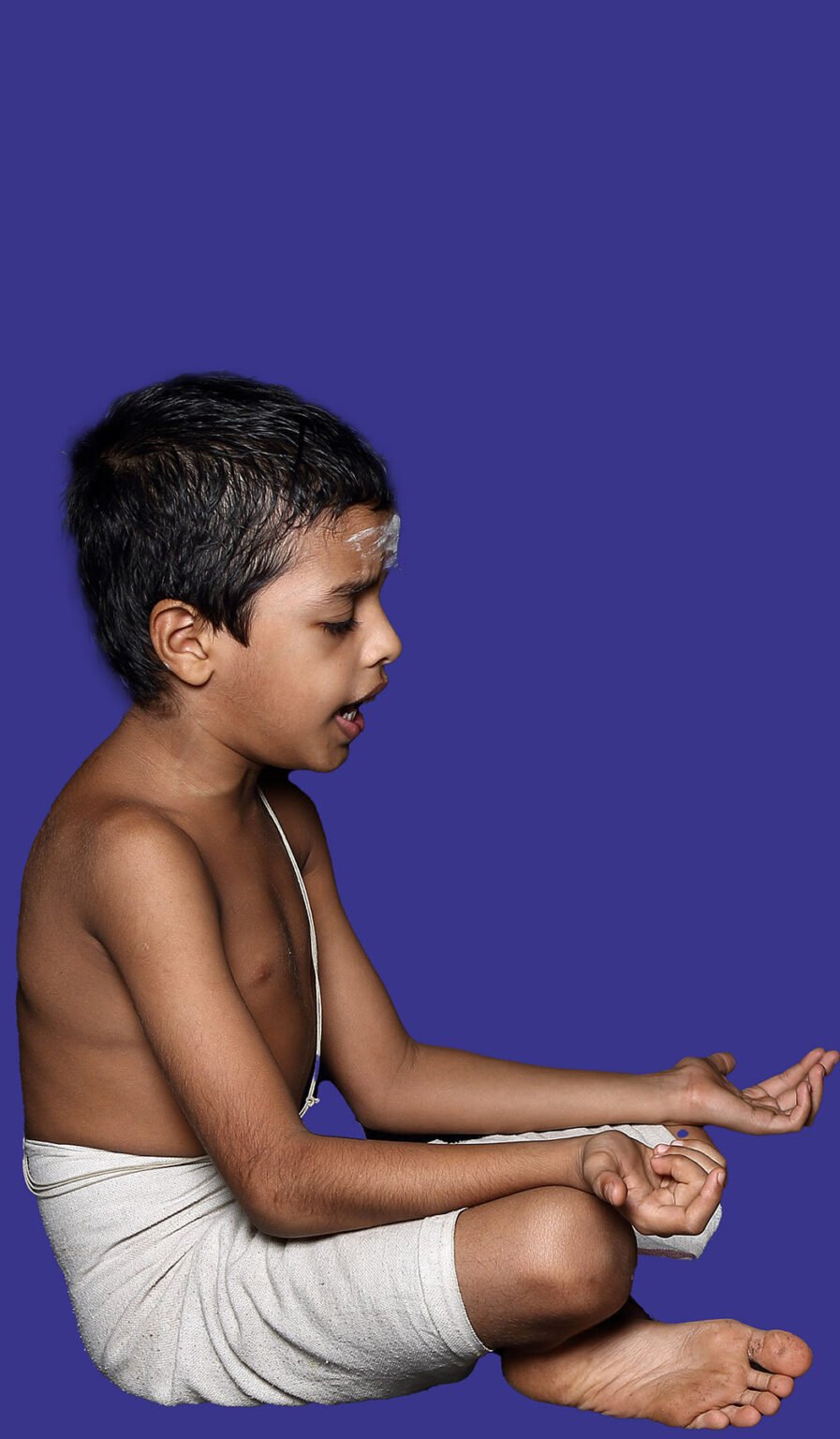
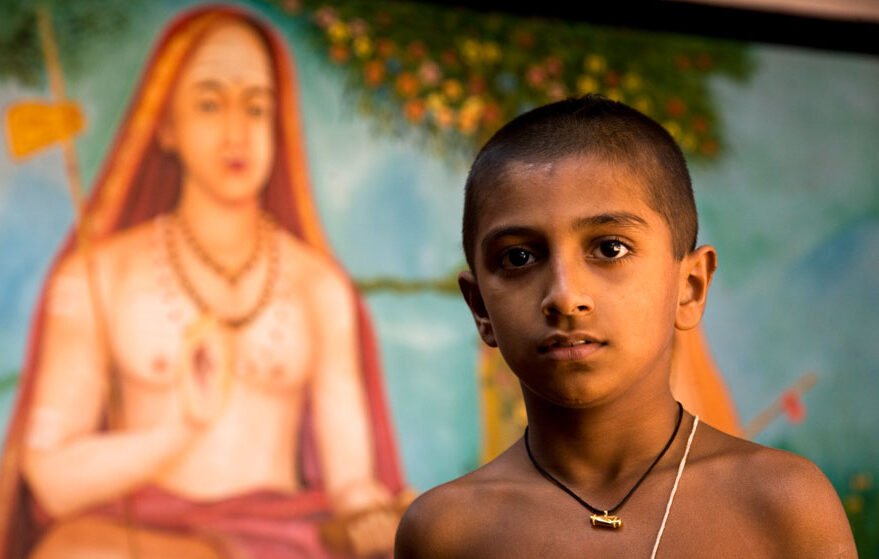
Vadakke Madham Brahmaswam is one of India’s most ancient and revered Vedic learning centers, continuously imparting Rigvedic knowledge for centuries. Today, the institution also provides instruction in Yajurveda and Samaveda while integrating essential aspects of modern education.
Vadakke Madham Brahmaswam is one of India’s most ancient and revered Vedic learning centers, continuously imparting Rigvedic knowledge for centuries. Today, the institution also provides instruction in Yajurveda and Samaveda while integrating essential aspects of modern education.
400 +
Years Legacy
#1
Vedhapaadhasala
1000+
Students Completed
History & Legacy
Rooted in the glorious Advaita tradition, Vadakke Madham was originally one of the four Madams founded in Thrissur by the disciples of Adi Shankaracharya:
Thekke Madham – Padmapadacharya
Idayil Madham – Thodakacharya
Naduvil Madham – Sureshwaracharya
Vadakke Madham – Hasthamalakacharya
Approximately 400 years ago, the Vadakke Madham evolved into a Mahaveda Vidyalaya when the Swamiyar endowed its assets to a Vedic School. With guidance from the Thrissur Yogam, this institution has remained a beacon of authentic Vedic learning.
The vision of VMB, VRC is to create the feeling of universal brotherhood / sisterhood in every human being which is the ultimate teaching of Vedic texts. In this level of knowledge, all will experience oneness and harmony of mind and thinking irrespective of any distinction or difference of any kind. This ideal is advocated in the last Suktam of Rigveda that is famous as Samvada Suktam or Aikamatya Suktam.
“Vadakke Madham was not only a place where I studied the Vedas; it was where I learned discipline, humility, responsibility and respect for our tradition. The guidance of the Acharyas and the experiences of Gurukula life continue to remain a meaningful part of who I am today. I am grateful to have been a student of Vadakke Madham and proud to remain connected with its enduring tradition.”
Inactive
Giving
Your support can help Vadakke Madham continue its work of Vedic education, Gurukula life, heritage conservation, research and community service for generations to come.
Vadakke Madham was not only a place where I studied the Vedas; it was where I learned discipline, humility, responsibility and respect for our tradition.